

DIY vs. Professional Help: Who Should Manage Your Malibu Home Building Permits?


.png)
Building or renovating a luxury property in Malibu or Washington feels exciting until the paperwork stacks up and the clock starts ticking. Permits, inspections, and local rules can be navigable with the right plan, but mistakes quickly ripple into delays and budget creep.
This guide breaks down the permit landscape step by step, helping you decide whether to take the reins yourself or bring in a seasoned partner. You will see where DIY shines, where expertise pays off, and how to move from concept to final sign-off with fewer headaches.
Throughout, we'll connect the dots between planning, agency reviews, and inspections so your project moves forward with confidence. A quick Malibu building permit search often sets the stage, followed by the right mix of documentation, timing, and follow-through.
With clear expectations and a structured approach, you can protect your investment, your schedule, and your peace of mind.
Understanding Building Permits in California and Washington

A successful project always begins with a clear understanding of the permit requirements and timelines. California and Washington share common goals for safety and code compliance, yet Malibu adds layers that require extra attention.
Types of Permits for Home Construction
New builds, additions, remodels, and ADUs typically fall under home construction permits that define scope, inspections, and final sign-offs. Interior updates that touch structure, plumbing, or electrical often require home renovation permits to pass code.
Regardless of project type, the city schedules a building safety inspection sequence to verify workmanship and code compliance at critical milestones. These inspections protect homeowners from costly issues later.
If you plan to break ground, add square footage, or change use, expect documentation at each phase and a coordinated review by building officials.
Explain the relevance of construction permits and building permits in California. Your formal authorization often appears as a construction permit, which outlines what you are allowed to build and under which conditions. In many jurisdictions, the process runs through building permits and California systems that standardize forms, fees, and inspection requirements.
Overview of the Permit Process
At a high level, you'll plan your scope, submit drawings, respond to corrections, and then pull your permit. That path becomes faster when you already know how to get a building permit and what reviewers expect to see.
Plan review typically runs through building and safety, zoning, and sometimes environmental departments within building permits in California portals. Prepare for comments, revisions, and final approval before work can begin.
Sequencing and documentation quality matter. Clear drawings, technical reports, and code references reduce back-and-forth and keep your timeline intact.
Highlight the involvement of specialists and outside agencies in unique regions like Malibu. Malibu often brings geology, fire, and coastal concerns into play. Expect agency coordination across planning, coastal, and environmental teams before building and safety can issue your final construction permit.
Common Mistakes When Skipping Professional Help
DIY applications commonly miss small but critical items, like load calculations or energy documentation. These errors trigger correction cycles and push your start date.
Some owners overlook the cadence of new home building inspections, leading to rework or repeated visits. Others schedule a building safety inspection without the site or trades being ready, which adds delays and fees.
Mislabeling the scope on the construction permit or using outdated plan standards can cause resubmittals, each adding time and cost.
DIY Permit Management
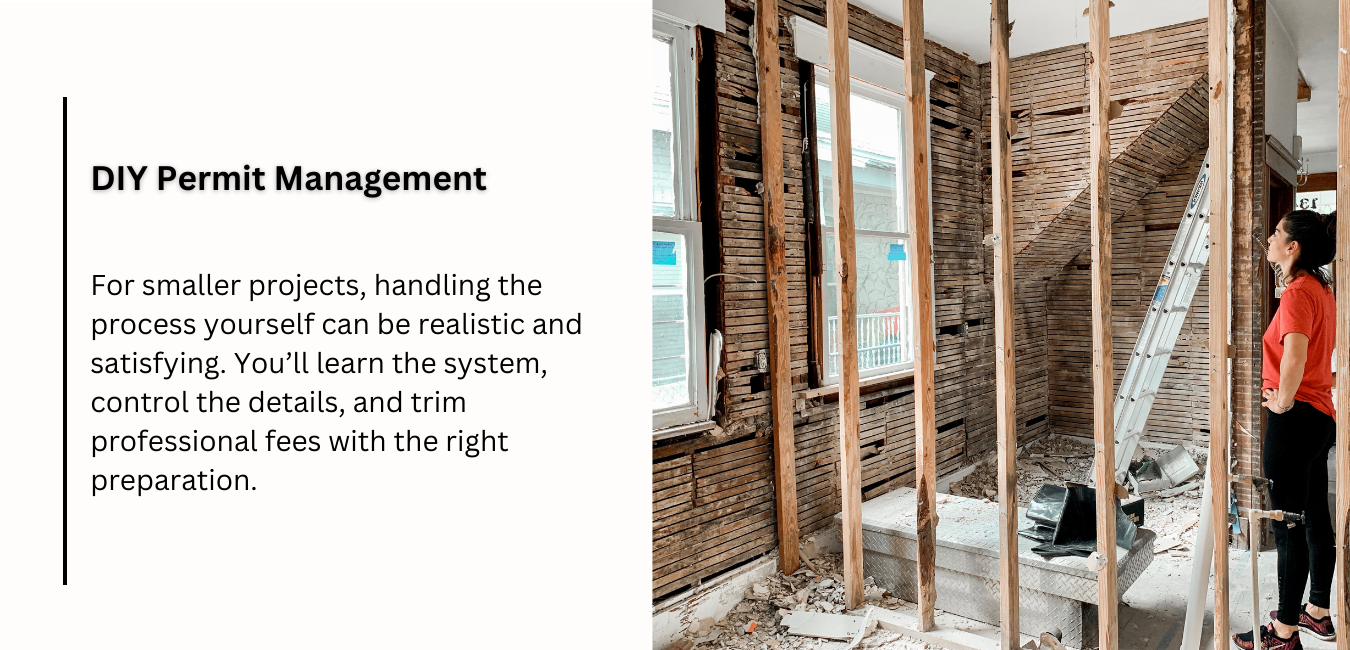
For smaller projects, handling the process yourself can be realistic and satisfying. You'll learn the system, control the details, and trim professional fees with the right preparation.
Ideal Projects for DIY Permits
Projects with limited scope and straightforward plans work best for DIY. Think minor interior updates, fixture swaps, or small non-structural changes covered by home renovation permits.
Simple scopes often fit counter or online processes, making building permits easier to obtain with standard forms and basic drawings.
Confirm exemptions and thresholds early to avoid surprises after you've purchased materials or scheduled trades.
Pros of DIY Permit Management
You save on consultant fees and pay only published rates, which can be appealing when the scope is tight and well-defined within building permits in California systems.
Direct control lets you submit, track, and respond quickly, which helps keep review cycles shorter.
You'll also gain valuable knowledge about your property that helps with future projects or maintenance.
Cons of DIY Permit Management
Research and preparation require real time. Reading code sections, assembling plans, and following up can compete with work and family obligations, even if you understand how to get a building permit.
Many owners rely on a Malibu building permit search but still miss local overlays or agency triggers that impact submittals. Missing an environmental or fire requirement can lead to costly revisions.
Scheduling, documentation standards, and plan corrections add risk if you're new to the process.
Cost vs. Risk Analysis
Savings on professional fees must be weighed against potential delays and resubmittals. Even small gaps in a construction permit package can add weeks.
When timelines matter, the difference between a complete set and one that needs multiple corrections can overshadow the initial savings on building permits.
If carrying costs or contractor availability are tight, the risk side of DIY often grows faster than expected.
Professional Permit Management
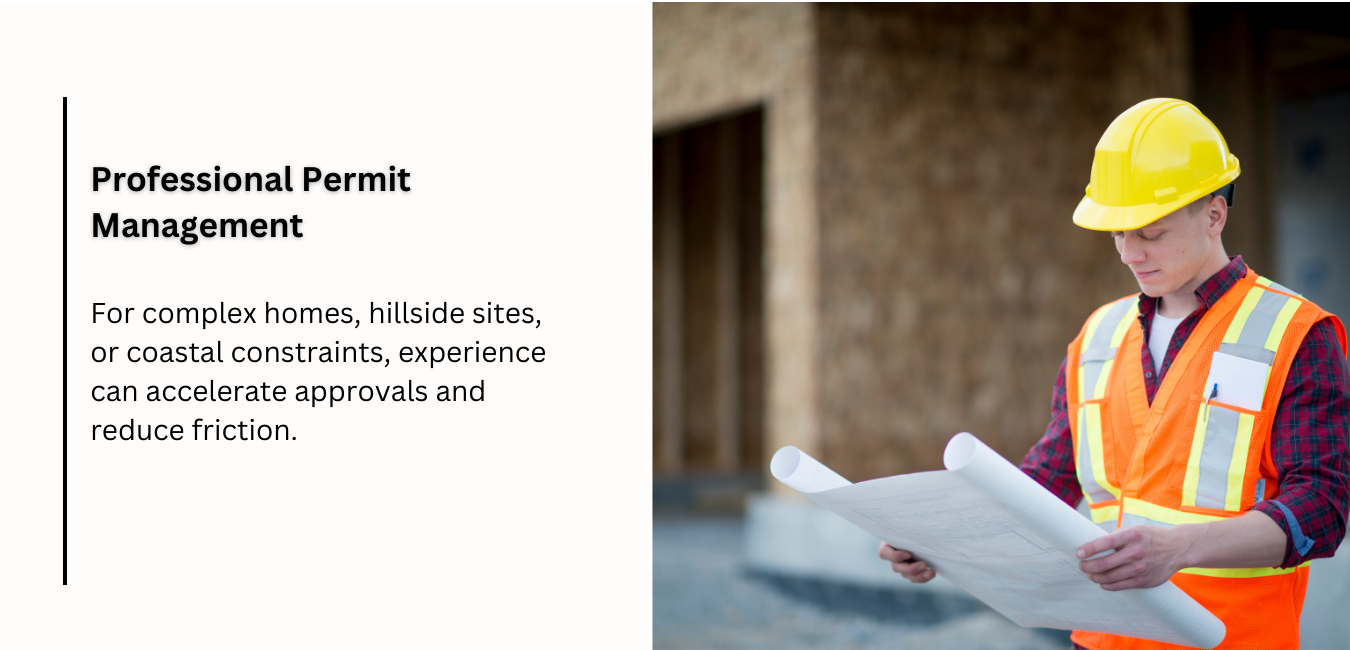
For complex homes, hillside sites, or coastal constraints, experience can accelerate approvals and reduce friction. Professional teams standardize documentation and anticipate comments before they land.
Who Can Manage Your Permits
General contractors, architects, expediters, and project managers frequently submit and track building permits from pre-application through final inspections.
A seasoned custom home builder often bundles design, engineering, and permitting, providing a single accountable lead for scope, schedule, and budget.
Each option aligns to project size and complexity, with architects and expediters handling technical documentation and submittal logistics.
Highlight each option's strengths in navigating Malibu's regulations and inspections. Pros familiar with wildfire, geology, and coastal overlays build those constraints into plans, which helps reviewers approve without rounds of corrections.
Advantages of Professional Management
Professionals coordinate documentation, agency reviews, and inspections so you can stay focused on major decisions rather than forms.
Teams fluent in building permits in California anticipate submittal standards and schedule the right building safety inspection milestones in the correct order.
They also prepare for new home building inspections with checklists and pre-walks, reducing the chance of failed visits.
Cost vs. Value
Upfront fees buy speed, predictability, and fewer mistakes. A well-planned path through new home building inspections reduces rework and keeps contractors moving.
Coordinated scheduling around each building safety inspection cuts downtime and limits change orders. For custom builds, the reduction in timeline risk often offsets professional costs.
The Unique Challenges of Permitting in Malibu

Malibu adds geography, fire risk, and coastal rules to the standard permit cycle. Navigating these constraints early leads to smoother reviews.
Environmental Regulations
Coastal zone rules affect setbacks, building height, grading, and sensitive resource areas. These factors often shape the conditions on your construction permit.
Environmental reports may be required for habitat, erosion, or water quality. Securing these upfront limits during plan check. Expect mitigation measures that influence materials, drainage, and site access.
Three-Phase Permit Process
Most projects move from planning approval to a building and safety plan check and then to the permit counter for issuance within the Building Permits California portals.
Each phase looks for different details, so align drawings to the specific reviewer's checklist. Early coordination avoids conflicts that could surface later during inspections.
Specialist and Agency Review
Malibu projects often pass through city specialists and external agencies, which adds time and technical depth.
Coordinating geology, fire, and coastal inputs yields a more complete submittal for building permits review. Documenting responses to every comment keeps the record clean and the timeline steady.
Deciding Between DIY and Professional Help
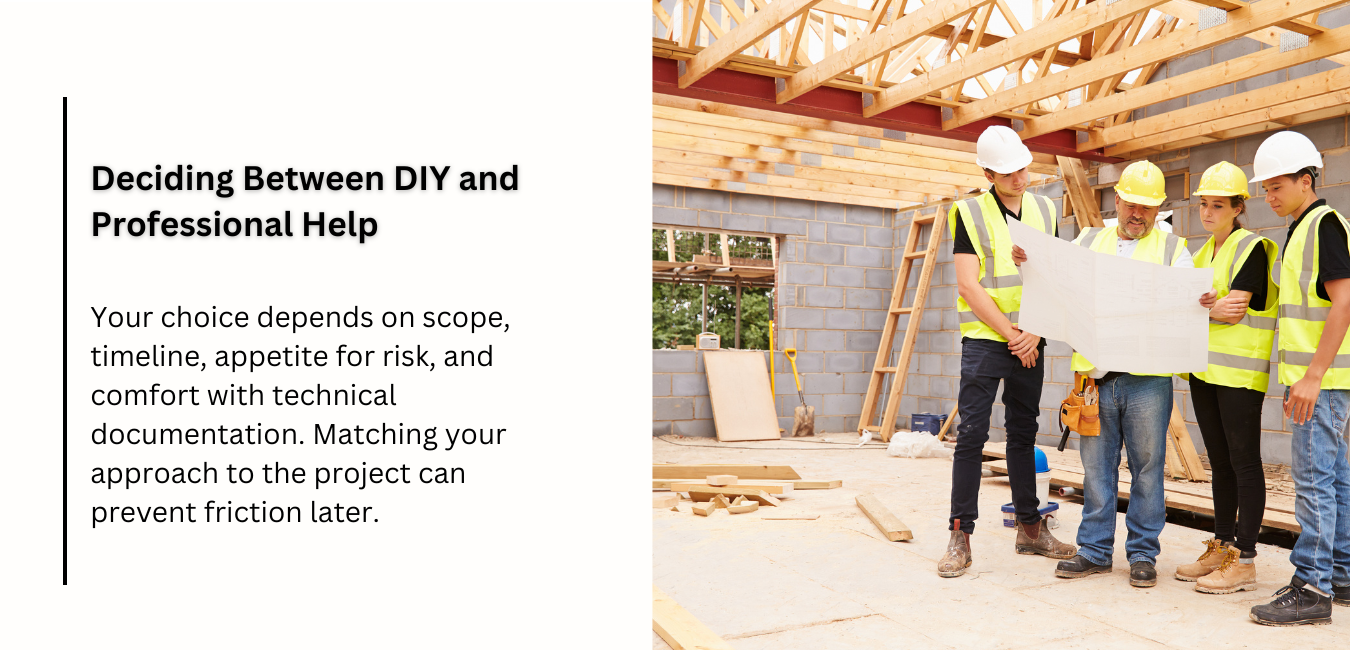
Your choice depends on scope, timeline, appetite for risk, and comfort with technical documentation. Matching your approach to the project can prevent friction later.
Project Scope and Complexity
Smaller scopes with standard details work well as DIY, while multi-story builds, hillside grading, and ADUs fit better under home construction permits managed by experts.
Complex projects introduce structural, fire, and environmental triggers that multiply the documentation load. When in doubt, consult before submitting to avoid major redrafts.
Time, Expertise, and Risk Tolerance
If your schedule is tight or you're new to the process, learning how to get a building permit during plan check can preventable delays.
Experienced teams translate reviewer expectations into precise drawings and narratives. DIY works when you have time to study local rules and follow review threads closely.
Long-Term Investment Considerations
A clean permit history helps appraisals, refinancing, and future sales. Buyers and lenders often look for completed building permits and final inspection sign-offs.
Passing inspections and closing permits reduces future repair exposures. A well-documented file becomes a long-term asset for the property.
Do You Need Permits to Renovate Your Own Home?
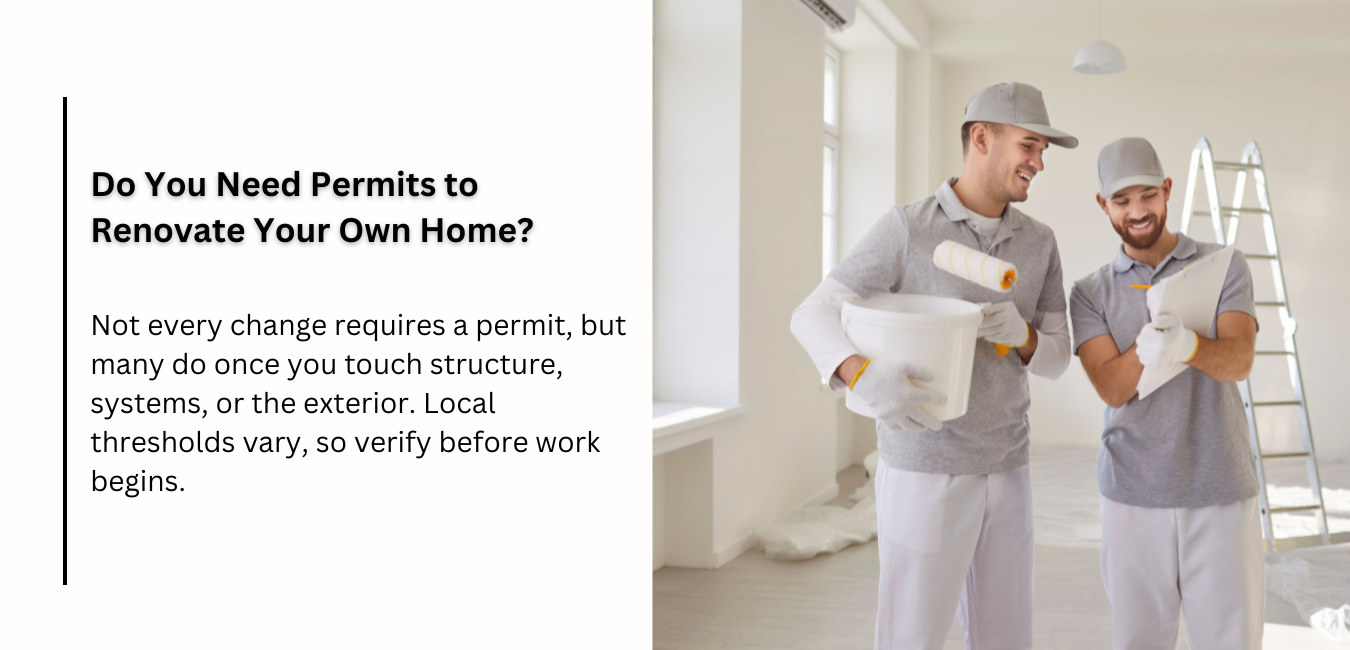
Not every change requires a permit, but many do once you touch structure, systems, or the exterior. Local thresholds vary, so verify before work begins.
Explain which renovations typically require permits and which might not. Cosmetic updates like paint and flooring usually avoid home renovation permits, while structural changes, window modifications, and service upgrades require review.
Electrical and plumbing relocations often sit squarely under building permits, especially when panels, main lines, or drain lines are involved. When the scope grows, confirm if drawings by licensed professionals are required for your jurisdiction.
Examples: cosmetic updates may not need permits; structural changes, additions, and ADUs do. A detached studio or ADU usually falls under home construction permits, while interior layout changes may trigger structural checks.
Expect inspections for framing, electrical, and mechanical work, especially on larger scopes. Verify fees, plan requirements, and inspection intervals before scheduling trades.
Emphasize checking with local authorities before starting work. A quick call or portal visit clarifies categories within building permits in California, saving time and frustration.
For Malibu projects, start with a Malibu building permit search to uncover legacy conditions, previous approvals, or open violations. Document your findings so designers and contractors can align with the correct pathway.
Tips for a Smooth Permit Process
A streamlined process starts with clarity. The more precise your documents and timeline, the less friction you'll face during review and inspections.
Organize Your Documentation
Create a single package that includes drawings, structural calculations, energy forms, and reports that support your construction permit.
Use consistent sheet naming and include an index so reviewers can locate details quickly. Add narratives for unusual conditions or deviations from standard details.
Schedule Inspections Strategically
Coordinate work sequences around new home building inspections to reduce downtime and rework.
Confirm readiness before every building safety inspection, including photos, access, and onsite contacts. Close inspections on the same day, where possible, to keep momentum.
Stay Informed and Engaged
Use the local portal to track corrections and approvals, especially as building permits move between departments.
Respond to comments with clear references to plan sheets and details. Keep a log of decisions so everyone works from the latest direction.
Why Choosing Element Homes Makes Permitting Stress-Free
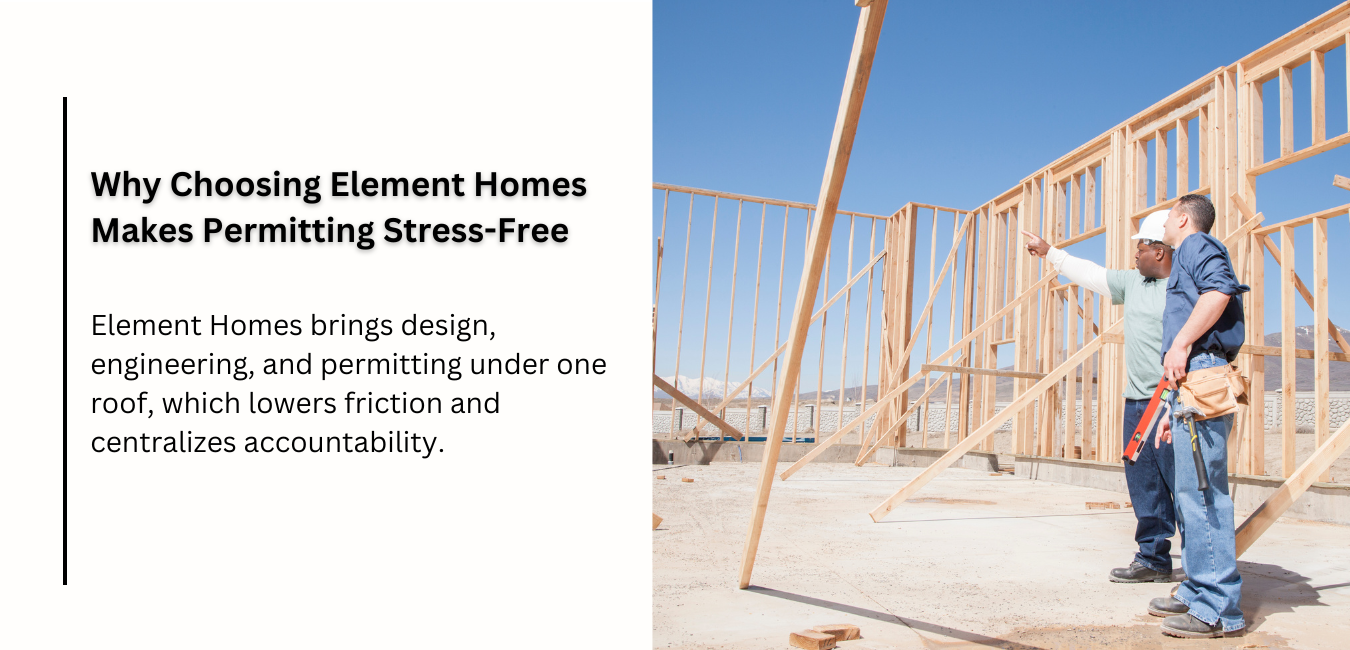
Element Homes brings design, engineering, and permitting under one roof, which lowers friction and centralizes accountability. That integrated model helps Malibu and Washington projects proceed with fewer surprises.
At Element Homes, we manage your permit process from start to finish so you can focus on your vision. Our team coordinates submittals, agency feedback, and field activities through building permits, California portals, and local processes.
- Our Approach: We begin with a site visit or virtual job walk to understand your existing conditions and provide an upfront estimate. From there, a Malibu building permit search helps us map constraints, timelines, and any legacy items.
- Plans and Permits: Our qualified designers and architects work closely with you to meet code, streamline reviews, and secure the right construction permit for your scope. We prepare responses that address comments clearly and completely.
- Building Your Dream Home: Once approvals arrive, we coordinate trades, inspections, and closeout, including new home building inspections and each required building safety inspection. You get regular updates and a predictable path to the final.
Emphasize our commitment to design, transparency, and seamless project execution for Malibu and Washington homeowners. With a seasoned custom home builder guiding your project, your timeline stays organized and your documentation stays clean.
Conclusion
Permits safeguard life safety, property value, and future flexibility. Whether you manage them yourself or partner with experts, early planning, clear drawings, and timely inspections set the pace.
DIY works for smaller scopes. For complex sites and luxury builds, a professional path through home construction permits and home renovation permits can reduce risk and protect your schedule. Ready to move from idea to approval with confidence? Start with how to get a building permit in your jurisdiction, then decide where expert support adds the most value.
Partner with Element Homes to streamline permits and bring your Malibu or Washington dream home to life with white-glove management from plans to final inspection. Contact our team to start your site review and permitting roadmap today, and move forward with clarity, speed, and confidence.

Related POsts
Longevity Home Design: Key Features for a Healthier Luxury Custom Home
Explore longevity home design ideas for a healthier luxury custom home, from cleaner air and better lighting to wellness spaces and durable materials.
Read moreBuilding a Luxury Custom Home in Atherton: Costs, Permits, Timelines & Design
Planning a luxury custom home in Atherton? Learn about costs, permits, timelines, tree rules, design choices, and what to review before construction.
Read more