

Common Mistakes Homeowners Make When Hiring a Custom Home Builder


.png)
Building a home from the ground up is personal. You are not picking a floor plan from a shelf. You are shaping the rooms where your family will gather, rest, celebrate, and grow. That is why choosing the right custom home builder matters so much. The builder you hire will influence your budget, timeline, design quality, communication, and the final comfort of your home.
When considering a home remodeling, many homeowners start out excited, but become overwhelmed with permits, pricing, site prep, and design options. Building a custom home construction in California can be even more complicated, as there are different rules for each property. The project can be influenced by several elements, such as hillside lot, wildfire zone, coastal requirements, soil conditions, utility access, and local code.
Fortunately, there are a few things you can do to prevent many problems. The majority of builder mistakes occur before construction work begins, with homeowners taking hasty decisions, accepting the builder's unhelpful estimates, or failing to ask important questions. This guide tells you what to look out for before the custom home builder gets into your project, and helps you to avoid confusion.
Choosing the Lowest Price Without Studying the Details
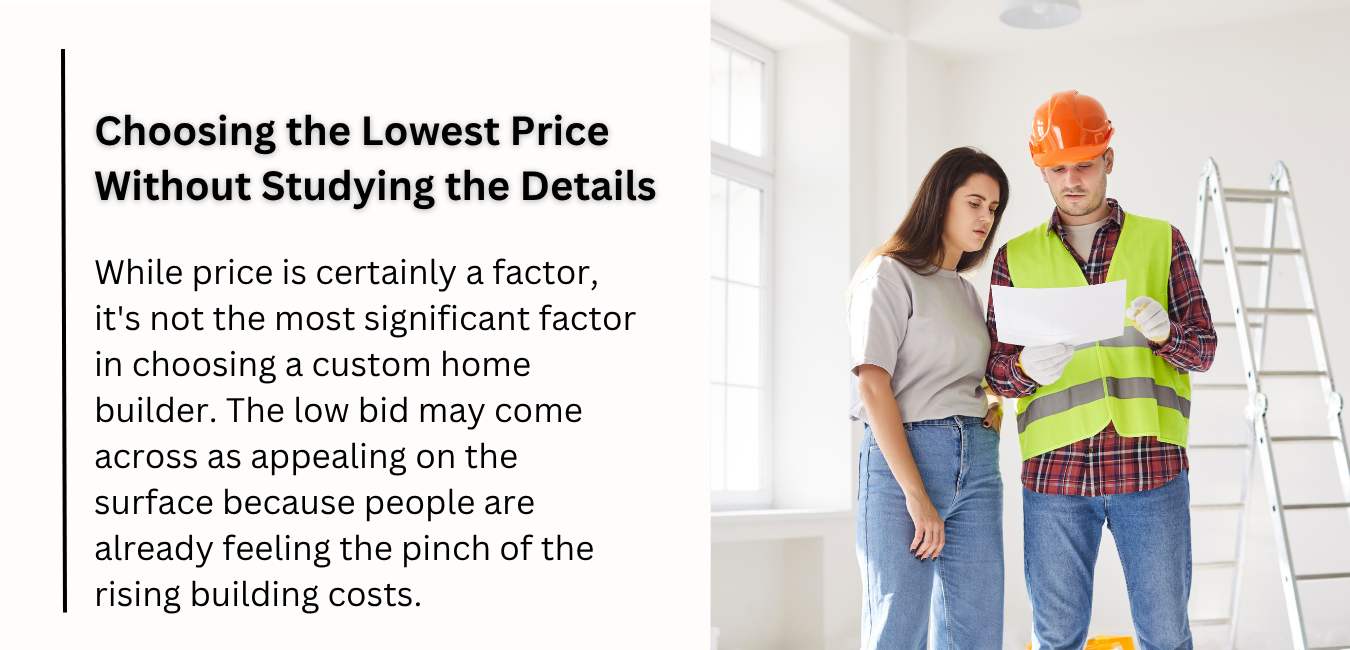
While price is certainly a factor, it's not the most significant factor in choosing a custom home builder. The low bid may come across as appealing on the surface because people are already feeling the pinch of the rising building costs. But problems start when that number doesn't include all of the work.
Some proposals do not include site preparation, utility upgrades, permit coordination, finish allowances, drainage work, or specialty materials. For the remainder of the project, those missing items might reappear as costly changes. One of the biggest builder mistakes homeowners make is this.
Why Cheap Bids Can Cost You Later
If the bid is extremely low, the work might be rushed, the quality of workmanship may be poor, the materials used may be economic, or the project may not have been fully planned. Those shortcuts can hurt the future value of high-value projects. A trusted luxury home builder will be able to tell you the true cost of superior work instead of giving you a figure that sounds good but turns out to be wrong.
Before comparing builders, review:
- What is included and excluded from the proposal
- Material allowances, labor quality, and the supervision process
- Warranty terms, payment schedule, and change order rules
Look for Value, Not the Lowest Number
The right custom home builder is organized, has skilled trades, excellent communication, and can solve problems. That support can result in the homeowner saving money over the life of the project. The initial cost of a detailed proposal can be more expensive, but it can provide a more realistic understanding of the actual investment.
Skipping Site Review Before Planning the Home
A beautiful lot can come with a price tag. Homeowners must know the land before they can decide on a custom design. What can be achieved can be influenced by soil, slope, drainage, access, trees, utilities, and fire requirements.
This is a crucial step in the process of custom home construction, and it can cause significant delays if it is not taken. A design might be flawless, but once it gets to the site, the budget and schedule could be altered if significant engineering is needed to support the design.
Hidden Infrastructure Matters
Many homeowners think about the “show” home and do not consider the home's systems. Septic planning, water access, electrical upgrades, retaining walls, grading, and driveway work can both impact the cost and schedule. A competent custom home builder will examine these issues at the outset and explain the impact they can have on the project.
Key site items to review include:
- Soil stability, slope, drainage, and foundation needs
- Water, power, septic, sewer, and driveway access
- Fire zone rules, setbacks, easements, and city requirements
Local Experience Can Prevent Delays
Building in Malibu is different from building in San Jose, Palo Alto, Bellevue, or Seattle. Every area has its own review process and building expectations. For strong home project planning, choose a team that understands your location and knows how to prepare for site-specific challenges.
Failing to Check Experience, References, and Licensing

Photos can be impressive, but they do not tell the whole story. A finished kitchen or exterior image cannot show how the builder handled delays, budget questions, inspections, or client communication. One of the most avoidable builder mistakes is hiring without checking the builder’s real background.
The best luxury home builder will be able to present finished properties of a similar size, style, and complexity to your own. They should also have the right license, insurance, and experience for your area.
Speak With Past Clients
References are a good indicator of how working with the builder will be. Discuss if the team was organized, responsive, respectful, and honest when issues occurred. These discussions will also give you information that may not be included in the portfolio.
Ask past clients about:
- Budget accuracy and change order handling
- Communication, scheduling, and problem-solving
- Craftsmanship, follow-up, and warranty support
Review Similar Completed Homes
If your project includes detailed custom designs, large glass openings, hillside engineering, luxury finishes, or indoor-outdoor living, look for similar work. A custom home builder with relevant experience will understand how those choices affect structure, cost, permits, and scheduling.
Element Homes encourages homeowners to look closely at both craftsmanship and process before signing any agreement.
Accepting Poor Communication From the Start
Clear communication can make the building journey feel organized and calm. Weak communication can create frustration even when the builder has technical skills. Custom homes involve hundreds of decisions, from layout changes and finish selections to inspections and payment milestones.
Poor Communication One of the building mistakes that can affect every step. Homeowners feel their preferences have been understood, and builders may feel that a decision has already been made. If details are not recorded, confusion can cause delays and additional costs.
Set Expectations Early
Before you engage a custom home builder, ask how they’ll communicate updates, who your main point of contact will be, how often you’ll meet, and how approvals will be documented. Such queries should be welcomed by a professional staff.
Good communication habits include:
- Regular progress updates and meeting notes
- Written approvals for selections and changes
- Clear timelines for decisions, inspections, and payments
Keep Records of Decisions
A verbal exchange is easy to forget. Written documents safeguard the homeowner, builder, architect and designer. Better home project planning: Organize drawings, approvals, finish selections, and change orders from the start.
At Element Homes, communication is treated as part of the building experience, not as an afterthought.
Starting Without a Realistic Budget

A dream home can become stressful when the budget is too tight. Many homeowners plan for visible features such as cabinets, flooring, lighting, and appliances, but forget about permits, engineering, grading, utilities, inspections, and code-related updates.
A realistic budget gives your custom home construction enough room to handle real-world conditions. Without that room, homeowners may feel forced to remove features they care about or delay decisions during the build.
Build in a Contingency
In residential buildings, there are a lot of unexpected costs, particularly in California. The final number may vary due to soil discoveries, city changes, material changes, and structural changes. The contingency you focus on that is practical helps you make better decisions when it happens without panicking.
A good custom home builder will explain where your money is going and help separate must-have items from flexible upgrades.
Match Design Goals With Financial Goals
Custom designs should be reviewed with pricing in mind as early as possible. Beautiful ideas need to work with the site, structure, and budget. When design and cost move together, homeowners avoid painful redesigns later.
Ignoring Energy Efficiency and Future Needs
There's style, but there's also comfort that a home requires day to day. When people are thinking about finishes, they tend to overlook energy performance, accessibility, ventilation, smart systems, insulation, and maintenance.
A thoughtful luxury home builder will help you look beyond move-in day. The best homes feel beautiful now and remain practical as family needs change.
Plan for Comfort and Lower Operating Costs
Energy-efficient windows, strong insulation, solar readiness, smart climate controls, water-saving fixtures, and durable materials can improve comfort while reducing long-term expenses. These decisions work best when included in the early stages of custom home construction.
Think About How Life May Change
Future friendly planning doesn’t need to be simple or clinical. Custom designs also can involve wider hallways, no-step entrance, flexible areas, better lighting and living entirely on one level. These alternatives can be designed for youngsters, guests, older family members and long-term ownership.
Good home project planning looks at how the house will serve you next year and many years later.
Overlooking the Benefits of Design-Build Coordination

Some homeowners hire designers, architects, and builders separately. That can work, but only when communication is strong. If the design team and construction team are not aligned, plans may become difficult to price, permit, or build.
A design-build approach allows the custom home builder to offer practical feedback earlier. This can minimize the number of redesigns, increase cost management, and assist the owner in understanding how each decision impacts the project.
Design and Budget Should Work Together
Great ideas are best when they are backed up by solid construction expertise. Involving builders early in the dialogue can help develop custom designs for the location, lifestyle, timetable, and budget.
Better Coordination Creates Less Stress
Scheduling, material planning, engineering reviews, and permit preparation can be simplified by a coordinated team. This is especially important in the case of luxury residences where the minute things count. An experienced luxury home builder can keep the project grounded while protecting the design goal.
Conclusion
Hiring the right custom home builder is one of the most important decisions in the home-building journey. The right team brings clarity, organization, craftsmanship, and honest guidance. The incorrect choice can lead to stress, delays, quality issues, and avoidable costs.
Successful custom home construction begins before work starts on the site. Homeowners should study the property, review references, set a realistic budget, ask direct questions, and plan custom designs with both beauty and function in mind. Careful home project planning helps protect your investment and creates a smoother experience from concept to completion.
A great luxury home builder will take time to understand your vision, explain challenges clearly, and guide each stage with care. If you are ready to plan a new custom home with an experienced team, contact Element Homes today to start the conversation.
Frequently Asked Questions
What are the most common builder mistakes to avoid when hiring a custom home builder?
The most common builder mistakes include choosing the lowest bid without studying details, skipping site review, failing to check references, starting without a realistic budget, and accepting weak communication. Homeowners should choose a custom home builder with proven experience and clear processes.
How can homeowners keep custom home construction within budget?
Affordable custom home construction is possible if homeowners can manage expectations from the beginning, allow for the unknown, make final decisions before work begins, and choose a builder that offers upfront pricing. Good home project planning prevents costly surprises.
Why is it important to check references and experience when choosing a luxury home builder?
Luxury home builder: balancing intricate features, fine materials, tight deadlines, and high standards. References show how the builder communicates, addresses problems, monitors quality, and supports clients after completion.
What site-specific factors should be considered in California before starting a home project?
Homeowners should review soil, slope, drainage, utilities, access, wildfire rules, zoning limits, permit requirements, and neighborhood restrictions. These details can affect design options, cost, and schedule.
How can proper planning of custom designs improve long-term energy efficiency and accessibility?
Careful planning allows efficient systems, insulation, window placement, smart controls, and accessibility features to be included from the beginning. Well-planned custom designs create a home that is easier to live in and less costly to operate.

Related POsts
Fixed-Price vs. Cost-Plus Construction Contracts: Which Is Better for a Custom Home?
Compare fixed-price and cost-plus contracts for a custom home. Understand costs, flexibility, risks, change orders, and which option fits your project.
Read moreTop Data Center Contractors in California: How to Choose the Right Builder in 2026
Choose top data center contractors in California by reviewing power access, cooling, permits, cost planning, and timelines before you build.
Read more